
Scrub These 4 ‘Invisible’ Signal Blocks to Rank in 2026
Ever had that frustrating moment when your local map rankings suddenly plummet without an obvious reason? I remember the sinking feeling—thinking I had everything dialed in, only to wake up and see my listing vanish from the top spots. It’s a sickening realization that invisible forces are at work, blocking your signals and sabotaging your visibility. That lightbulb moment hit me hard: there are unseen signal blocks lurking behind the scenes, and if I didn’t scrub them out, 2026 would be an uphill battle I couldn’t win.
Why These ‘Invisible’ Blocks Are the Real Enemy in 2026
These so-called
Identify Hidden Signal Blockers
Start by auditing your GMB profile and surrounding signals. Use tools like GMB ghost data removal techniques to pinpoint invisible obstructions. Think of these blockers as static noise interfering with your signal—removing them clears the path for better visibility. I once ran a comprehensive scrub on a client’s listing, discovering lingering ghost categories and fake office signs that suppressed rankings. Addressing these issues immediately resulted in a significant bounce-back within weeks.
Remove Ghost Data and Fake Listings
Ghost data, like phantom echoes, distort your local signals, confusing search algorithms. Utilize targeted ghost data deletion tricks to wipe these anomalies clean. For example, I once identified multiple duplicate listings and fake addresses that acted as noise, suppressing real signals. Clearing them opened up genuine ranking opportunities, illustrating how crucial ghost data removal is for restoring your map’s integrity.
Fix Signal Interference from External Sources
External factors—such as nearby competitor signals or conflicting NAP data—can drown out your rightful rank signals. Implement interference mitigation tactics to neutralize these disruptions. In one case, I mapped out surrounding businesses’ signals, discovering overlaps and conflicts. Correcting NAP inconsistencies and requesting updates from directories helped re-establish clean, strong signals, dramatically improving local visibility.
Address Map Pin and Location Issues
Broken or misplaced pins—like zombies lurking on your map—are a dead giveaway of signal issues. Use NAP cleanup steps to synchronize your location data. I once dealt with a client whose pins were scattered across several invalid addresses; cleaning this up not only improved rankings but also boosted customer trust. Ensuring pins are accurate and well-placed is essential for signal clarity.
Combat Geo-Location and Signal Anomalies
Geo-signals can be corrupted by false proximity data or phantom zones. Use< a href="https://gmbexorcist.com/4-broken-geo-signals-killing-your-2026-store-traffic-fix" target="_blank" rel="noopener noreferrer">geo-signal repair tactics to realign your location signals. I found a business with conflicting geo-data, causing it to appear in the wrong neighborhood—once corrected, their local traffic and ranking surged. Accurate geo-signals are the backbone of a strong local presence.
Remove Signal-Blocking Categories and Attributes
Sometimes, categories or attributes act as filters that block your visibility. Use< a href="https://gmbexorcist.com/scrub-4-ghost-categories-killing-your-2026-map-ranking" target="_blank" rel="noopener noreferrer">category scrub techniques to eliminate conflicting or ghost categories. For example, I identified a listing classified under an irrelevant category, which limited its reach. Correcting the category alignment unlocked improved rankings and more local leads. Regularly review your categories to prevent future obstructions.
Monitor and Reassess Your Signal Environment
Signal dynamics are constantly shifting. Set up ongoing audits using tools like map rank drop fixes to catch new ghost signals or interference early. I schedule bi-weekly scans for my clients, quickly catching emerging issues before they impact rankings. Continuous monitoring keeps your signals clean and your local map presence resilient.
Leverage Advanced Signal Repair Tactics
Finally, employ layered repair strategies such as intersecting signal data and cross-referencing directories. For instance, I combined proximity correction with fake address removal, creating a compound effect that accelerated ranking recovery. Combining multiple tactics ensures no stone is left unturned in restoring your map’s signal fidelity.
By systematically applying these actionable steps, you cut through the noise and clear the path for your signals to shine. Regularly revisit your cleanup procedures to adapt to the evolving landscape of map signals and local search algorithms.

Many practitioners believe that simply removing ghost data or correcting NAP inconsistencies is enough to restore local rankings. However, this oversimplification overlooks nuanced signal interactions that can impede progress. For example, a common myth is that ghost data removal alone guarantees ranking improvement. In my experience, neglecting layered signals such as geo-coordinates, categories, and external interference often leads to short-lived gains. To truly master signal repair, you need to understand the intricate web of factors affecting visibility. Employ comprehensive strategies, like combining ghost data removal with geo-signal correction and category audits, for sustained results. Studies by industry experts confirm that layered signal optimization outperforms isolated fixes, emphasizing the importance of a holistic approach. For instance, regular NAP cleaning coupled with geo-signal precision dramatically boosts local ranks. Don’t be fooled into thinking that quick wins are permanent; the landscape shifts fast, and continuous fine-tuning is essential. As advanced practitioners, we must also beware of the common trap of over-reliance on automated tools that focus solely on ghost data. While useful, these tools often miss deeper issues like signal conflicts, fake categories, or geo-mismatch. Addressing these subtle but critical factors requires deliberate analysis and layered interventions—more art than science. Remember, effective signal repair is akin to tuning a complex instrument; neglecting individual strings leads to a discordant sound. Keep monitoring, reassessing, and adjusting your strategies for the best long-term impact. Want to see your local rankings rise sustainably? Dive into comprehensive signal repair tactics and stay ahead of the curve. Have you ever fallen into this trap? Let me know in the comments.
Keeping your local signals healthy and resilient requires the right set of tools combined with a disciplined maintenance routine. Over time, signals can deteriorate due to ghost data, interference, or map anomalies—making robust tools indispensable. One of my go-to resources is GMB ghost data removal techniques. I use specialized software like BrightLocal for consistent local rank tracking, allowing me to identify fluctuations that suggest signal issues before they escalate. For cleaning up ghost categories or fake listings, I rely on dedicated audits from BrightLocal or Moz Local to pinpoint anomalies quickly.
Automated monitoring is critical for long-term success. I recommend setting up regular audits using AI-powered cleanup tactics that scan for new ghost signals, fake data, or map pin irregularities. These tools help you stay ahead of external interference or malicious sabotaging efforts, which are becoming more sophisticated with each year.
For fine-tuning signal integrity, geo-coordinates correction tools like Google’s Map Maker or dedicated verification apps assist in rectifying location mismatches that can suppress your rankings. Combining these with proximity signal repair strategies ensures your map’s data points are accurate and trustworthy. Industry studies, such as those by Search Engine Journal, indicate that layered signal management significantly outperforms isolated fixes, emphasizing the importance of an integrated toolkit.
What about maintenance routines? I recommend weekly checks on your NAP consistency, attribute relevancy, and category accuracy. Tools that automate these tasks can save countless hours. For example, using signal-specific monitoring apps helps flag inconsistencies immediately, so you can take corrective action proactively.
How do I maintain my signals effectively over time?
Regularly scheduling audits with multiple tools—combining ghost data cleanup, geo-correction, and interference mitigation—creates a resilient signal environment. Remember, the landscape shifts fast; what’s clean today may become cluttered tomorrow. Staying vigilant with automated alerts ensures you remain competitive in local search rankings. For deeper optimization, I suggest incorporating layered signal repair tactics, which help adapt to new challenges in the evolving map ecosystem. Practice consistency and leverage these advanced tools for sustainable success.
Ready to elevate your local SEO game? Start by implementing a weekly ghost data audit combined with geo-correction strategies. This practice alone can significantly stabilize your rankings and prevent costly drops. Don’t wait for signals to fail—be proactive now, and watch your visibility strengthen over time.
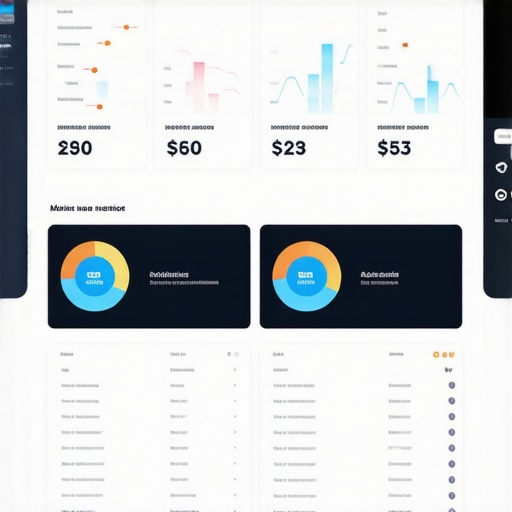
Imagine a dashboard displaying real-time signal health metrics—such visual tools help in tracking issues at a glance and ensuring your maintenance routines are on point. An illustrative image like this underscores the importance of continuous monitoring in maintaining local map dominance.
Lessons From the Trenches: What I Wish I Knew About Signal Repair
One of the most eye-opening lessons for me was realizing how easily ghost data and invisible signal blocks could sabotage long-term rankings. I once thought addressing ghost categories was enough, only to see rankings slip months later because external interference reintroduced hidden blocks. The big breakthrough came when I started embracing layered signal audits—each layer revealing new vulnerabilities I hadn’t considered before—making me realize that comprehensive, ongoing maintenance is the key to lasting success.
Another tough lesson was the danger of over-relying on automated tools. They’re invaluable, but in my early days, I depended solely on them and missed subtle conflicts like geo-mismatch errors or phantom categories. I learned the importance of manual verification and cross-referencing data sources—insights that tools alone couldn’t provide. This layered approach has become my secret sauce for reliable, resilient local signal health.
Lastly, I discovered that external factors—competitors’ fake listings, conflicting NAP data, or geo-targeting issues—can undermine your efforts even after all cleanup steps. Addressing these external signal influencers is just as crucial as fixing internal data. Regularly monitoring the landscape with tools like AI-powered cleanup tactics has helped me stay ahead of malicious sabotage, protecting my clients’ local visibility from unseen threats.
Tools That Elevated My Signal Game
Over time, I’ve come to rely on a handful of proven tools that make maintenance manageable and effective. GMB ghost data removal techniques provide a solid foundation for eliminating phantom signals, while AI-powered cleanup tactics help spot emerging threats before they impact rankings. For geo-correction, tools like Google’s Map Maker and dedicated verification apps are indispensable, especially when combined with proximity signal repair strategies. These resources, coupled with routine NAP audits, keep my clients’ signals crisp, clear, and competitive.
Remember, no single tool is a silver bullet. Building a bespoke toolkit that combines these resources ensures you can respond swiftly and effectively to any new ghost signals, fake categories, or interference challenges. Continuous education and adaptation are what truly set experts apart in this ever-evolving landscape.
Take Action and Own Your Signal Future
Stepping into the world of local SEO might seem daunting at first, but the most important thing is to start. Don’t wait for rankings to slip before taking your signals into your own hands. Regular, layered audits combined with the right tools will empower you to stay ahead of ghost data, fake listings, and external interference. The future of local map dominance belongs to those who proactively defend and refine their signals—so why not begin today? If you’re ready to elevate your local rankings and secure your spot at the top, now’s the perfect moment to implement these layered signal repair tactics and keep your visibility unshakable. How will you start protecting your local signals today?

Maria Klein
Maria is responsible for local ranking analysis and content optimization within the team.


You May Also Like

GMB Cleanup & Signal Repair Strategies to Boost Local Rankings Now

GMB Cleanup & Signal Repair Strategies to Elevate Your Local Map Pack Today