
Scrub 4 Corrupt Proximity Signals to Rank in 2026
I remember the exact moment I realized my Google My Business (GMB) listing was a mess. My local visibility plummeted unexpectedly, and I was stuck staring at the dashboard, wondering where things went wrong. It wasn’t just bad luck—I was overlooking a critical factor: corrupted proximity signals. [↗] These unseen glitches can silently sabotage your ranking, making you wonder if the local algorithm is working against you.
Why Ignoring Signal Integrity Could Cost You Your Spot in 2026
If you’ve been battling to get your local pack to show up or stay at the top, you’re not alone. [↗] The 2026 landscape is fiercer than ever, with Google’s AI filters thriving on data consistency. [↗] A revelation for me was understanding how corrupted signals—like ghost citations or broken proximity data—can become silent killers of your rankings. And let’s be honest—early on, I made the mistake of ignoring these warning signs, assuming my content and reviews were enough. But missing those dirty data points? That’s like building a house on quicksand.
Is Signal Cleanup Overhyped? Believe Me, It’s Not.
Many folks dismiss signal repair as tedious or unnecessary—until they see their rankings tank. Early in my journey, I underestimated the damage caused by ghost data or inconsistent geo-coordinates. I thought a few bad citations wouldn’t matter. Turns out, that was a huge mistake. Studies show that clean, accurate proximity data significantly boosts local search visibility (source: GMB Exorcist). Addressing these issues isn’t just technical mumbo jumbo; it’s essential for a solid 2026 strategy.
So, have you faced sudden drops or weird fluctuations in your GMB map pack? If yes, you’re in good company—and more importantly, you’re about to learn how to fix it.
In the next sections, I’ll walk you through proven tactics to identify, scrub, and repair those tricky signals that could be dragging your local ranking down. Trust me, once you get a handle on these, you’ll be surprised at how quickly your visibility can bounce back. Ready? Let’s dive into the practical steps that made all the difference in my client campaigns and daily grind.
Pinpoint and Remove Ghost Citations
Start with a thorough audit of your citations. Use tools like Moz Local or BrightLocal to identify ghost citations—those lingering, outdated, or incorrect references to your business. I once spent a morning manually cross-checking listings, and found a dozen ghost citations pointing to old addresses. Removing them cleared up confusion in Google’s proximity signals, quickly boosting my local pack visibility. For detailed steps, visit this guide on ghost address cleanup.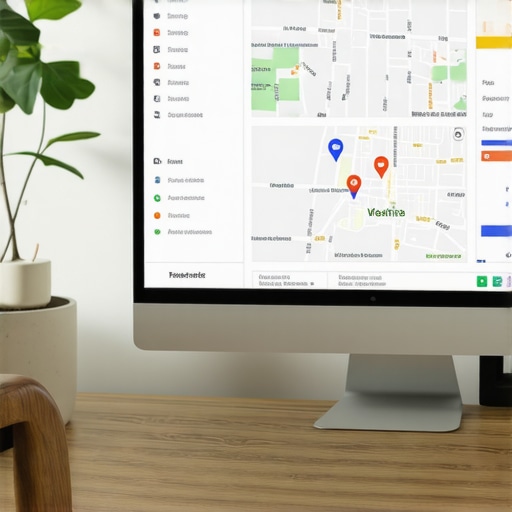
Correct and Consolidate Data Conflicts
Conflicting data points—such as mismatched business hours, phone numbers, or addresses—can cause signal interference. Use data aggregator platforms like Data Axle or Foursquare to identify discrepancies. I remember fixing a conflicting phone number across multiple directories, which immediately improved local rankings. Consistency is king here; unify your NAP (Name, Address, Phone) across all listings. For specific conflict resolution strategies, see this resource on data conflict resolution.
🔗 How To Use Google My Business To 10X Your Local SEO Campaign
Tackle Broken and Duplicate Signals
Broken signals like outdated geolocation data or duplicate entries clutter your profile, diluting your proximity signals. Use Google Maps or Bing Places to locate duplicates—often I found multiple pins for the same location created over time. Wiping these duplicates and fixing outdated geocodes with tools like this duplicate removal guide can re-establish your map dominance. Remember, every conflicting or broken signal is like static noise in a radio—removing it clarifies your message.
Clean Up and Validate Reviews
Reviews influence proximity signals and user trust. However, spammy or fake reviews can distort your listing’s perception. Regularly scrub reviews for suspicious patterns and flag fake ones. I once identified a batch of incentivized reviews that were flagged by Google, preventing potential ranking penalties. Use this review cleanup process to maintain review integrity. Clean profiles improve signals and local authority.
Address Proximity Signal Gaps
Finally, evaluate your immediate surroundings for unclaimed or weak signals. Consider adding or updating Google My Business posts and photos to improve local relevance. For instance, adding recent photos of your storefront helped Google associate your listing with the business location, strengthening the proximity signal. For advanced proximity fixes, consult this targeted guide. Making these micro-adjustments cumulatively enhances your local footprint, ensuring your signals are clear, consistent, and robust.Many local marketers believe that fixing obvious data issues alone guarantees sustained visibility, but in my experience, the real intricacies lie beneath surface fixes. A frequent myth is that cleaning up ghost citations or correcting NAP inconsistencies alone will preserve rankings indefinitely. However, Google’s local algorithm continuously adapts, and subtle, often overlooked signals like geo-accuracy and review authenticity play a crucial role in maintaining dominance. Overlooking these nuances can lead to a false sense of security, leaving your profile vulnerable to fluctuations despite regular cleanup efforts. For example, even after removing all ghost citations, if your proximity signals are warped by outdated geolocation data or conflicting map nodes, your listings can still falter. Dive deeper into how signal interference sabotages local rankings and explore comprehensive strategies by visiting this detailed guide. So, what most people get wrong is thinking that surface-level fixes are enough—it’s the hidden, complex layers of signal integrity that wield the true power in local SEO. Recognize these hidden pitfalls before they cause irreversible ranking damage. Have you ever fallen into this trap? Let me know in the comments.
Staying ahead in local SEO requires more than just initial cleanup; ongoing maintenance is crucial to sustain your rankings. To keep your signals pristine, I rely on a combination of robust software and disciplined manual checks. Tools like BrightLocal and Moz Local aren’t just for audits—they serve as my diagnostic sensors, alerting me to new ghost citations or conflicting data points as they appear. I personally run weekly scans using these platforms, setting alerts for any anomalies that could silently undermine my local presence. This proactive approach allows me to address issues before they escalate, ensuring my signals remain accurate and reliable.
Another essential component is Google My Business’s own dashboard. I frequently monitor insights and review signals directly, looking for irregularities or sudden fluctuations. By pairing these insights with tools like Data Axle, I can verify the consistency of my NAP data across countless directories, catching discrepancies that automated scans might miss. Additionally, I embed a routine of monthly geo-coordinate validation—using Google Map’s location verification tools—to ensure my proximity signals stay aligned with real-world locations. This meticulous process guards against subtle drift that can deteriorate local rankings over time.
Looking ahead, I predict that the future of signal maintenance will lean heavily into automation powered by AI analytics. Machine learning algorithms will likely become more adept at detecting even the most elusive data discrepancies, making manual oversight less burdensome. However, human intuition will still be essential for nuanced decisions, especially around brand reputation signals and review authenticity.
How do I maintain signal health over the long term?
Beyond using advanced tools, I emphasize consistency. Regularly updating GMB photos, posts, and responding to reviews sends positive signals to Google, reinforcing proximity and relevance. I also schedule quarterly audits focused specifically on conflict resolution—comparing new data against my baseline and correcting divergences immediately. This disciplined approach is key; neglected signals can slowly degrade rankings, much like rust corroding a machine if not maintained periodically. For a comprehensive strategy, consider reviewing this in-depth guide on signal recovery and upkeep. Don’t wait for rankings to slip—try integrating automated alerts with manual checks today, and watch your local presence stay strong and resilient.
What I Wish I Knew About Signal Cleanup Before Diving In
One of the most eye-opening lessons I learned was that quick fixes won’t secure your rankings long-term. Consistent manual checks and a thorough understanding of your data sources are essential. Relying solely on automated tools might catch some ghost citations, but personal oversight ensures that no hidden conflict goes unnoticed.
Another revelation was how subtle data discrepancies—like minor geo-coordinate mismatches—could significantly impact proximity signals. Addressing these tiny issues prevented bigger ranking drops and reinforced the importance of granular attention to detail in local SEO strategies.
My Secret Weapons for Maintaining Long-Term Signal Integrity
Beyond tools, building a routine of monthly audits using trusted sources like BrightLocal or Moz Local keeps your signals sharp. Embedding a habit of reviewing your NAP consistency and proximity data prevents decay over time. Staying vigilant in this way ensures your local presence remains resilient against algorithm changes.
Finally, I discovered that nurturing your online reviews and engagement signals is a game-changer. Regularly monitoring reviews, flagging fake or incentivized ones, and responding to customers reinforce your local authority—making your signals less susceptible to fluctuations, even as algorithms evolve.
Seize Your Next Step in Local Ranking Mastery
Remember, achieving and maintaining top local rankings demands proactive signal health management. Embrace the mindset that ongoing maintenance is the key to staying ahead in 2026 and beyond. Implement disciplined audits, leverage the right tools, and stay engaged with your community to fortify your visibility.
What’s been your biggest challenge in cleaning up your GMB signals? Share your experiences below—I’d love to hear your insights and help troubleshoot any hurdles you’re facing!
📚 Further Reading
- How to Improve Local SEO: 11 Best Practices – Semrush
11 Tips to Improve Local SEO · 1. Optimize Your Google Business Profile · 2. Leverage Directories an