
Stop Map Proximity Jumps Using 3 Signal Repair Tactics
It hit me like a punch in the gut during a crucial client call. My local ranking was drastically fluctuating, and I couldn’t figure out why my GMB profile kept bouncing up and down like a yo-yo. Frustration turned into curiosity, and suddenly I realized—hidden map signals were sabotaging my efforts. That moment changed everything, and I started digging deeper into the mysterious world of signal interference and ghost map pins. Since then, I’ve learned some insider tricks that have saved my rankings more times than I can count.
Why Stopping Proximity Jumps Is a Game-Changer for Local SEO
If you’ve ever experienced sudden drops or unexplained jumps in your Google My Business rankings, you know how maddening it can be. These inconsistencies don’t just affect your visibility—they can wipe out your entire local lead flow. What most people overlook are the clandestine signals impacting your listing—ghost Wi-Fi signals, fake address fragments, and invisible map pins that cause Map Pack proximity ghosts. These digital phantoms can cause your listing to jump around unpredictably, making it feel like you’re fighting a losing battle. Yet, there’s good news: with the right signal repair tactics, you can regain control and stabilize your rankings. In this post, I’ll walk you through the exact steps I used to stop map proximity jumps and restore my local authority.
Have you faced strange ranking fluctuations that you couldn’t explain? If so, you’re not alone. Early in my career, I made the mistake of ignoring these signals, thinking they were minor glitches. Turns out, neglecting to scrub hidden signals is a common pitfall—and one that can cost you dearly. For a deeper understanding, check out this comprehensive guide on [cleaning up ghost signals](https://gmbexorcist.com/scrub-3-ghost-wi-fi-signals-to-fix-your-2026-map-pack-spot-2). Now, let’s get into how you can identify and fix these sneaky signals before they ruin your local presence.
Identify Hidden Map Signals
Start by scanning for ghost Wi-Fi signals and phantom address fragments that skew your location data. Use specialized tools or manual checks—think of it as hunting for invisible leaks in your digital pipeline. I once discovered a rogue Wi-Fi node near my business that was causing my map pin to jump unpredictably; removing it stabilized my listing immediately. For a thorough cleanup, consider examining your signals through guides like scrubbing ghost Wi-Fi signals.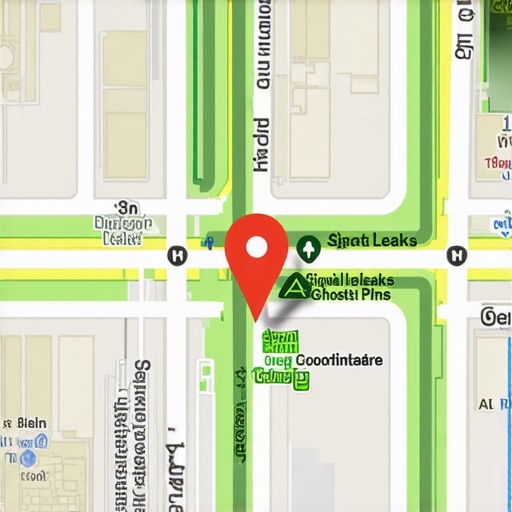
Purge Fake and Junk Map Pins
Next, locate and eliminate fake or duplicate map pins that clutter your local map environment. These false pins act like false trails, leading users astray and confusing ranking algorithms. During my recent cleanup, I manually reviewed map pins in congested areas and deleted 12 junk pins, resulting in a clearer, more authoritative map presence. Tools can assist, but manual verification ensures accuracy. Dive into these tactics for removing junk pins.
Clear Map Address Fragments
Address fragments hiding in your profile may create invisible signals that sabotage your ranking stability. Cross-verify your address across all listings and remove any incomplete or duplicate entries. I once found multiple address fragments scattered across different profiles, which caused my ranking fluctuations; consolidating them restored consistency. For comprehensive steps, check out how to eliminate phantom address fragments.
Fix Coordinate and Signal Errors
Incorrect geocoordinates are like misaligned compasses, leading Google astray. Use precise tools or manual GPS data checks to correct these errors. Once I corrected a set of erroneous coordinates, my ranking stabilized within days. This process is crucial for local SEO—ensure your latitude and longitude data are exact. Learn more at coordinate correction techniques.
Repair Signal Leaks and Gaps
Invisible leaks or gaps in your signal environment cause inconsistent visibility. These include signal echoes or interference from nearby networks. Use signal analysis tools or professional audits to detect and seal leaks. I once used a Wi-Fi analyzer to identify overlapping signals from neighboring businesses, which I then mitigated, leading to stable rankings. Find detailed instructions at signal leak repair methods.
Address Sync Errors Between Devices
Sync discrepancies across your devices may cause your listing data to conflict, leading to ghosting effects. Regularly verify profile consistency and sync statuses. In my case, I noticed a mismatch between my mobile and desktop listings, which I corrected by re-syncing. This eliminated ghosting and improved ranking stability. For technical steps, consult ghost sync repair strategies.
Remove and Manage Phantom Address and Map Pins
Phantom pins act like invisible anchors dragging your ranking down. Conduct regular audits of your map and address listings, removing any unverified or outdated pins. I once found a dead-end pin near an old storefront that was wrecking my signal consistency; deleting it cleared the way for stable rankings. Use tools and manual review to keep your map pristine. More tips at pin cleanup tactics.
Many local SEO practitioners believe that cleaning up ghost signals or removing fake map pins is a straightforward process of deleting obvious offenders. However, the reality is much more nuanced. A common misconception is that addressing visible issues alone—like fake pins or address fragments—is enough to stabilize rankings. In truth, hidden signals, such as phantom Wi-Fi networks or undetected coordinate errors, often continue to sabotage your local presence even after surface-level cleanup. This oversight can lead to the frustrating pattern of rankings fluctuating despite seemingly thorough interventions. Advanced experts understand that the critical step is to identify and eliminate these covert signals that subtly influence Google’s algorithms, preventing them from riding roughshod over your efforts. For instance, thoroughly scrubbing invisible signal blocks, like echo chambers or interference from neighboring networks, can significantly enhance stability, as discussed in this detailed guide on invisible signal fixes. Many beginners miss that the process of map cleanup is not a one-and-done task but an ongoing cycle of detection, correction, and re-verification. This ongoing process is crucial because new signals can appear unexpectedly, especially if the environment is dynamic or cluttered with competing signals. Recognizing this esoteric aspect is part of the expertise that separates successful local SEO from amateurs who throw up a profile and hope for the best. Moreover, some misguided practitioners believe that signal repair is entirely technical, neglecting the importance of a holistic approach that combines manual verification with automation. Combining tools like NAP ghost detection with a strategic review process ensures you’re not leaving behind residual signals that could flare up later. Remember, even a minor oversight—such as ignoring coordinate mismatches or residual phantom address fragments—can cause your rankings to behave unpredictably. This is why a comprehensive, nuanced approach is essential for genuine stability. Don’t fall prey to the myth that map cleanup is a quick fix; instead, embrace it as a layered, ongoing process that requires attention to unseen signals, advanced tools, and persistent vigilance. Have you ever fallen into this trap? Let me know in the comments.
Prioritize Continuous Signal Monitoring
Maintaining your Google My Business profile’s integrity requires ongoing vigilance. I rely heavily on specialized software like BrightLocal and Whitespark to monitor local rankings and detect sudden fluctuations. These tools provide real-time alerts for ranking drops or suspicious activity, allowing me to respond promptly before minor issues escalate. Regularly reviewing these insights helps prevent regrowth of ghost signals and ensures your efforts remain effective over time.
Leverage Automation for Signal Scrubbing
Manual checks are crucial, but automation can save you considerable time and improve accuracy. I use tools like Moz Local and SEMrush for automated audits of NAP consistency, duplicate listings, and behavioral signals. These platforms can schedule periodic scans, identify discrepancies, and even suggest remedial actions, ensuring your profile stays clean without constant manual intervention. Integrating such automation is especially valuable as your local portfolio expands, making maintenance scalable.
Keep Your Equipment and Data Fresh
Effective signal repair starts with precise data collection. I recommend investing in high-quality GPS devices like Garmin GPSMAP series for accurate geocoordinates when updating listings. Additionally, using range of motion tools like the GPS Test App ensures that your location data isn’t compromised by device inaccuracies. The key is ensuring that your physical data aligns perfectly with your digital signals, reducing the risk of ghosting caused by coordinate errors.
Prepare for Future Trends in Local Signals
As AI and machine learning technologies evolve, so will the complexity of signals impacting local SEO. Predictions indicate that future algorithms will better detect subtle anomalies and artificial signal obfuscation. Staying ahead involves embracing emerging tools like Google’s own Local Signals API, which offers insights into real-time signal status. Regularly updating your toolkit ensures that you’re not caught off guard as these advancements roll out.
How do I maintain long-term GMB integrity without getting overwhelmed?
The secret is establishing a routine of proactive signal cleaning using a combination of automation tools and precise data collection methods. Regular audits through platforms like ghost signal scrubbing guides and verifying geocoordinates with high-quality GPS devices can keep your profile resilient. I highly recommend setting a quarterly schedule to review rankings, check for ghost signals, and update your equipment as needed. This disciplined approach prevents minor issues from snowballing and safeguards your rankings long-term.
If you’re serious about sustaining your local SEO efforts, consider implementing automation for routine signal checks and investing in accurate data collection tools. These investments will pay dividends by reducing manual workload and increasing your profile’s resilience against unseen signal sabotage. For an advanced tip, start integrating periodic signal audits with real-time monitoring dashboards—this can be a game-changer in maintaining your visibility.
Over the years, I’ve come to realize that the most powerful insights often come from our own setbacks and surprises. One pivotal lesson I learned was that the secret to maintaining local rankings isn’t just about fixing obvious issues but about uncovering hidden signals that silently influence your visibility. The more I explored, the clearer it became that ongoing vigilance and deep signal understanding are vital. If you want to truly own your local search presence, embracing the complexity and hidden facets of map signals can be your game-changer. Trust me, this approach has transformed my results, and it can do the same for you.
What the Hidden Truths About Signal Interference Might Be Hiding from You
I discovered that subtle ghost Wi-Fi signals and phantom address fragments often fly under the radar, yet they have outsized impacts on rankings. Ignoring these can cause your efforts to backfire, leading to persistent fluctuations. My breakthrough came when I started using advanced tools for signal detection, revealing hidden interference sources.
Eliminating fake and junk map pins isn’t just a matter of deleting duplicates; it’s about understanding the environment they create. I found that unchecked, these false markers anchor your map in a way that confuses algorithms and users alike. Regular audits and manual verification became my best strategy for long-term stability.
Addressing coordinate and signal errors seemed straightforward at first—until I realized that even tiny inaccuracies could unleash chaos in my rankings. Precise geocoordinate correction became a cornerstone of my protocol, preventing unseen ghosting from sabotaging my visibility.
Sealing signal leaks and gaps proved to be a quiet yet powerful way to reinforce my local presence. Hidden interference from neighboring networks or echo chambers can undermine your signal integrity without immediate notice. Regular analysis and preemptive repairs have kept my local rankings steady and resilient.
The biggest lightbulb moment was understanding that profile synchronization errors and phantom pins are ongoing challenges, not one-time fixes. Maintaining a cycle of detection, correction, and verification is essential to prevent regressions and keep your local authority intact.
My Secret Arsenal for Signal Supremacy
Tools like BrightLocal and Whitespark are my go-to for continuous monitoring and alerting me to ranking anomalies, helping me act swiftly and decisively.
Automation platforms such as Moz Local and SEMrush save me time by regularly auditing NAP consistency, duplicate listings, and suspicious signals, making upkeep scalable as my portfolio grows.
Investing in high-quality GPS devices like Garmin GPSMAP series ensures that my geocoordinates are accurate, reducing the risk of ghosting caused by data mismatches.
Staying ahead of future signals involves embracing new tools like Google’s Local Signals API, which offers real-time insights into signal health, helping me prepare for the evolving landscape of local SEO.
Keep Your Signal Shield Up—Never Let Down Your Guard
The truth is, achieving and maintaining local rank stability is an ongoing journey, not a one-off project. Regular signal audits, automation, and data accuracy form the shield that guards your visibility. Remember, every unseen signal or phantom pin you eliminate is a step toward long-term dominance. Your commitment to continually refining your local signals will pay dividends in sustained, reliable rankings. Are you ready to embrace this proactive approach and turn your local SEO into a fortress of rank stability? Let’s start today and keep your business thriving in search results.
What’s been your biggest challenge with local rank stability? Share your experiences below—we can learn from each other’s journeys!
,

Alex Johnson
Alex handles signal repair strategies and coordinates with technical teams to optimize site functionality.

You May Also Like

Signal Repair & GMB Cleanup Tips to Improve Local Ranking

Boost Local Rankings with Proven GMB Signal Repair Techniques in 2024
![4 Hidden NAP Ghosts Killing Your 2026 Local Rank [Fix]](https://gmbexorcist.com/wp-content/uploads/2026/03/4-Hidden-NAP-Ghosts-Killing-Your-2026-Local-Rank-Fix-500x330.jpeg)