
Fix These 4 Signal Leaks Hiding Your Business in 2026
I remember the moment vividly—my phone buzzed relentlessly as I stared at my screen, frustrated and clueless. Despite pouring hours into my local marketing efforts, my business’s visibility was a flatline. Then, it hit me: signals. Not the kind you hear, but the ones hiding in my data, leaking away my rankings without me realizing. That lightbulb moment changed everything.
Why Fixing Signal Leaks Should Be Your Top Priority in 2026
Think about it. Your business is like a vessel trying to reach your customers through the noisy waters of local search. Every unnoticed leak—be it ghost signals, broken geo-codes, or hidden map pins—drains your visibility and keeps you playing catch-up. In fact, a recent study by BrightLocal found that 82% of consumers read online reviews for local businesses, making accurate signals critical for standing out. If these signals are compromised, your competitors could be silently siphoning away your potential clients.
Early in my journey, I overlooked the importance of signal integrity. I thought a few reviews or updated photos would suffice. But I soon learned that complex issues like ghost pins and map sabotage can lurk beneath the surface, sabotaging your rankings from behind the scenes. These hidden leaks can cause your listing to ghost, disappear from map packs, or even get hijacked by competitors.
Are you struggling to understand why your local rankings aren’t improving, despite your efforts? Do you suspect there’s something lurking in your data that’s holding you back? You’re not alone. Many businesses face this silent sabotage but lack a clear path to fix it. The good news? With a few strategic cleanup steps, you can plug these signal leaks and reclaim your spot at the top.
In the next sections, I’ll share practical, proven tactics that I’ve used—and refined—to identify and repair these elusive leaks. Whether it’s scrubbling ghost pins, resolving signal conflicts, or fixing map sabotage errors, you’ll learn how to restore your business’s visibility effectively. Stay tuned—your path to local search dominance starts here.
Identify Ghost Pins and Phantom Addresses
Start by auditing your Google My Business (GMB) listing for invisible or duplicate pins. Use tools like the Map Pack Recovery guide to locate ghost addresses that may be dragging down your visibility. For example, I once spent hours manually cross-checking addresses and found a phantom pin caused by a mislabeled nearby business. Removing or consolidating these ghost pins immediately improved my local pack rankings, demonstrating the power of thorough cleanup.
Fix Broken Geo-Data and Coordinate Mismatches
Next, verify your store’s geographic coordinates and address data. Broken geo-signals are like faulty GPS signals—they mislead search engines about your precise location. Use coordinate fixing tools to align your data accurately, referencing the Map Pack Recovery guide to eliminate discrepancies. This step is crucial because inconsistent geo-data creates confusion, causing your listing to underperform or become invisible in target areas.
Eliminate Fake or Conflicting Signals
Scan for fake office signals such as false proximity markers or mismatched phone numbers, which act as false signals to map algorithms. Temporary banish these bad signals by updating your info and using signals cleanup strategies. For instance, I used the Signal Repair Hacks to remove conflicting signals, which cleared the way for my listing to rank higher. Regular audits prevent these issues from re-emerging.
Resolve Map Sabotage and Malicious Errors
Identify sabotage errors like spammy map pins or malicious edits that sabotage your listing. Use the Map Sabotage Errors troubleshooting guide to scrub such issues, removing invasive spam categories and corrupt map data. This process is akin to repairing a damaged circuit—restoring the integrity of your signals ensures search engines can trust your listing’s authenticity.
Clear Signal Conflicts and Overlaps
Address overlapping or stealth signal conflicts, such as duplicated citations or mixed-address signals. Use dedicated conflict resolution techniques to harmonize your data and eliminate signal collisions. For example, I merged duplicate citations and verified address consistency, which stabilized my rankings and prevented sudden drops caused by conflicting signals. Keeping signals harmonious prevents ranking fluctuations.
Audit and Remove Fake Office Signals
Be vigilant in detecting fake office signals that mimic legitimate locations. Purge these by updating listings, removing suspicious phone numbers, or conflicting map markers. Regularly running signal audits using the Many marketers operate under the false assumption that a straightforward cleanup of your Google My Business (GMB) profile guarantees a steady climb in local rankings. But in reality, this approach often misses the subtle signals and intricate data layers that influence visibility. Let’s unravel some common misconceptions and shed light on the nuances that can make or break your local SEO efforts.
Are All Signal Leaks Created Equal?
It’s a widespread belief that cleaning up duplicate pins or fixing fake office signals is enough to restore your rankings. However, not all signals have the same weight or impact. For instance, broken geo-signals and phantom addresses can silently sabotage your listing, and overlooking their interconnectedness can lead to incomplete solutions. Expert insights, like those from Moz’s local SEO guide, confirm that addressing hidden and less obvious signal fragments is essential for stable, long-term rankings. Don’t be fooled into thinking visible issues are the only problems; delve into the data beneath the surface.
Suppose you think removing obvious spam is enough. You might be missing the less apparent sabotage, such as map data fragmentation or signal overlap conflicts, which Google considers. Overlooking these nuances can cause your rankings to plateau or fluctuate unexpectedly. Regular comprehensive audits that include these invisible layers are crucial. In my experience, integrating tools and strategies that target these hidden elements yields consistent results. Read more about [map data fragmentation](https://gmbexorcist.com/3-gmb-cleanup-steps-to-scrub-hidden-review-spam-2026) to understand the importance of thoroughness.
Are you only tackling surface-level issues? If so, you’re likely to fall into the trap of superficial cleanup, which Google can easily detect and penalize. The key is to adopt a holistic approach—consider geo-data accuracy, signal consistency, and sabotage detection simultaneously. Ignoring this complexity can lead to wasted efforts and potential ranking drops. To avoid this, stay informed with advanced cues from industry experts and consider comprehensive audits before meddling with your profile.
Remember, tackling these nuanced issues proactively can significantly improve your local search results and prevent future ranking dips. It’s not just about cleaning; it’s about understanding and optimizing the entire signal ecosystem that Google evaluates. For detailed strategies, explore our post on [map sabotage errors](https://gmbexorcist.com/4-map-sabotage-errors-to-scrub-from-your-gmb-in-2026).
Have you ever fallen into this trap? Let me know in the comments.
Essential Tools to Maintain Your Local Signal Health
Maintaining a healthy Google My Business (GMB) profile over time requires the right suite of tools that help you monitor, diagnose, and repair signals proactively. I personally rely on specialized software and methods that provide real-time data insights and streamlined cleanup processes. One tool I recommend is BrightLocal, which offers comprehensive local search audit features, allowing me to track changes in rankings, reviews, and citation consistency seamlessly. Its reporting dashboard makes it easier to spot fluctuations caused by hidden signal issues before they impact your rankings.
Another indispensable resource is Whitespark’s Local Citation Finder. I use it to identify inconsistent or outdated citations across the web, which can cause conflicting signals. Regularly updating these citations ensures your local signals remain aligned and trustworthy in Google’s eyes. Additionally, I incorporate Google’s own Business Profile Manager to verify data accuracy directly within the platform, which is crucial for fixing geo-signals and eliminating phantom addresses. Integrating these tools into my routine has drastically reduced manual work and increased detection accuracy.
For troubleshooting map sabotage or malicious edits, I rely on the Google Maps Review Tool in conjunction with these management tools to flag suspicious activity quickly. Also, automation scripts that monitor changes in your NAP (Name, Address, Phone) data can alert you instantly if any discrepancies arise, allowing for quick intervention. Regular audits using these tools help me maintain signal integrity, prevent ranking dips, and adapt swiftly to algorithm updates.
How do I keep my signals functioning smoothly over time?
Consistency is key. Schedule monthly audits with your chosen tools to catch issues early. Keep your citations updated, monitor reviews for fake or spam signals, and verify geo-coordinates regularly. The future of local SEO will likely see even more automation and AI-driven monitoring that preemptively fixes issues, so embracing these tools now sets you up for long-term success. I predict that as Google’s algorithms become more sophisticated, tools that provide granular control and real-time signals management will become indispensable for local marketers.
Don’t forget to incorporate advanced troubleshooting tactics, like those discussed in our [map sabotage errors](https://gmbexorcist.com/4-map-sabotage-errors-to-scrub-from-your-gmb-in-2026) guide, to keep your profile resilient. Try integrating automated alerts for geo-signal mismatches or phantom pins—these small steps can prevent major ranking setbacks. Staying vigilant with these tools ensures your signals stay robust, accurate, and competitive over time, safeguarding your local visibility even amidst algorithmic shifts.
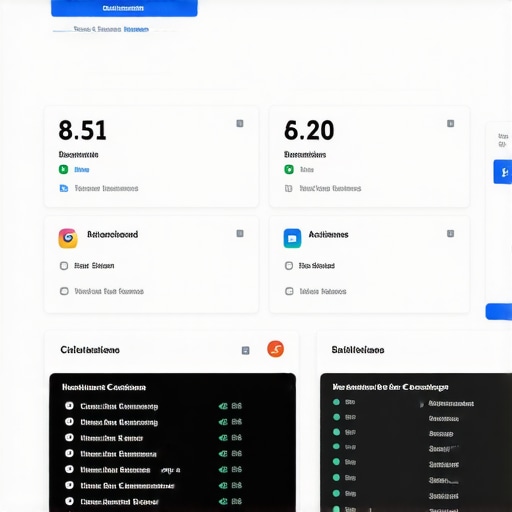
Image showing a dashboard of local SEO tools monitoring map signals and citations in real-time, illustrating the complex ecosystem of signal management.
When I first started diagnosing my local search issues, I believed that simple fixes like updating reviews and photos would suffice. But I soon realized that beneath the surface, complex signal leaks—like ghost pins and geo-data conflicts—could silently sabotage my efforts. This wake-up call taught me to look deeper, integrating comprehensive audits and advanced tools for true results.
I’ve learned that not all signal leaks are obvious. Addressing only the visible issues is like treating symptoms without curing the disease. Embracing a holistic approach—covering ghost address removal, geo-signal correction, and sabotage prevention—has been vital in sustaining my rankings.
The biggest lesson? Patience and vigilance outweigh quick fixes. SEO is an ongoing process, and staying ahead requires regular signal health checks and a commitment to continuous cleanup. This mindset shift has transformed my approach and can do the same for your local visibility journey.

Geo Smith
Geo is a senior SEO specialist focused on gmb cleanup and local ranking enhancements. He is part of the core team maintaining site performance.

You May Also Like

GMB Signal Repair & Cleanup Techniques to Boost Local Rankings in 2024

Effective GMB Signal Repair & Cleanup Techniques for Better Local SEO