
Fix 4 Signal Echoes That Are Ghosting Your 2026 Local Rank
Why Signal Ghosting Could Be Killing Your Local Visibility
Signals are like the heartbeat of your Google My Business (GMB) listing. When they’re strong and clear, your business shines bright on local searches. But what happens when signals are muffled, conflicted, or outright absent? Well, your ranking can suffer significantly, often without a clear reason. Early in my journey, I made the mistake of focusing solely on content and reviews, neglecting the signals flowing behind the scenes. That oversight cost me dearly, and I learned that addressing these ghost echoes is essential for climbing back up.
In fact, research indicates that signal interference and data inconsistencies can cause up to 70% of fluctuations in local rankings (source: Moz). [↗] This startling fact underscores just how critical it is to keep those signals squeaky clean and synchronized. If you’re wondering whether this ghostly interference is the root of your troubles, you’re likely experiencing symptoms like inconsistent visibility or sudden drops in rankings—signs that your signals might be compromised.
Have you noticed your business’s map pack behaving unpredictably? Maybe your listing flickers between positions or seems to vanish at times? That’s often a telltale sign of problematic signals lurking in the background. Recognizing these issues early can save you months of frustration and lost leads.
Next, I’ll dive into the specific signal issues that most commonly haunt local ranks and how to identify them. [↗] But first, let’s address a crucial question many skeptics ask: is fixing these ghost signals really worth the effort? Absolutely—because if your signals are compromised, no amount of reviews or keywords alone will keep you ahead. Restoring your signals can genuinely revitalize your local presence.
Let’s get into the details and show you how to banish these spectral signals for good.
Identify and Wipe Corrupted Data
Start by examining your GMB data for inconsistencies. Use tools to scrub toxic or duplicate entries that distort your signal. For instance, personally, I once found multiple listings with slightly different addresses causing ranking confusion. Cleaning these up using junk record removal techniques instantly stabilized my signals and improved visibility.
🔗 How To Use Google My Business To 10X Your Local SEO Campaign
Detect and Repair Broken Signals
Next, focus on broken geo, proximity, or open signal loops. Think of your signals as a communication network—if one node fails, the entire message gets garbled. I once faced a sudden rank drop when my proximity signals malfunctioned due to a corrupted geo code. By cross-referencing with ghost signal checklists, I quickly isolated the issue and restored my signals. This step is crucial for maintaining consistent map pack presence.
Unclog and Clear Signal Conflicts
Conflicting signals can act like static on a radio, making your listing inaudible to algorithms. Use conflict resolution tactics to resolve NAP conflicts, address discrepancies, and eliminate overlapping map pins. I recall fixing NAP conflicts across multiple citations, which immediately boosted my rankings and map pack stability.
Resolve Signal Interference Issues
Signal interference from competitors or AI filters can cause your rank to hemorrhage. Implement strategies outlined in signal interference fixes—such as removing competing signals or adjusting data points—to re-establish a clear, strong connection. I experienced a significant rank recovery after I eliminated an AI-driven map filter suppressing my listing.
Address Junk and Toxic Map Data
Junk map pins, toxic citations, or fake reviews create noise that muffles true signals. Use data scrubbing techniques to wipe out these harmful elements, restoring clarity and authority to your profile. In my case, removing outdated and spammy citations cleared the path for genuine signals to shine, resulting in a ranking boost.
Perform Signal Repair Audits
Conduct comprehensive signal audits regularly. Utilize checklists from signal audit guides to pinpoint hidden leaks. I found that auditing my signals once a quarter prevented minor issues from snowballing into ranking crises, particularly by catching broken open signals early.
Continuously Monitor and Optimize
Finally, remember that signals evolve. Regular monitoring using specialized tools or manual checks allows you to stay ahead. Adjust your data points, citations, and NAP details consistently, referencing resources like phone number fixes to keep signals pristine. The moment I embraced ongoing signal optimization, my local ranking stabilized and even improved, despite the competitive landscape.
 Many local businesses and marketers fall into misconceptions when it comes to GMB cleanup and signal repair, often leading to more harm than good. One prevalent myth is that focusing solely on reviews or citations will instantly boost rankings. While these are important, neglecting underlying signal integrity—such as data consistency and removal of ghost pins—can cause rankings to stagnate or even decline. In reality, the intricate nuances of signal health matter much more than surface-level fixes. For instance, some believe that reinstating old listings without verifying their data accuracy can reintroduce toxic signals, causing a setback instead of a recovery. Therefore, a thorough understanding of signal health, including correcting data gaps and resolving conflicting signals, is essential for sustainable ranking improvements. Don’t be misled into thinking that quick fixes or superficial cleaning will hold in the long run; SEO success in local maps requires a strategic approach that delves into the nuances of signal integrity. If you’re serious about maintaining or improving your local visibility, prioritize comprehensive audits over quick fixes. Have you ever fallen into this trap? Let me know in the comments.
Keep It Moving: Essential Tools for Sustained Local Rankings
Maintaining your Google My Business (GMB) signals over time requires precise monitoring and proactive troubleshooting. I’ve found that selecting the right combination of tools makes all the difference in preventing signal decay and ensuring long-term visibility. For instance, I rely heavily on Seomonitor’s LocalRank Tracker because it offers real-time insights into your map pack positioning and detects fluctuations before they impact your rankings. This proactive approach means I can identify issues like rising signal latency early, and address them swiftly.
Why I Trust My Signal Audit Toolbox
In my day-to-day operations, I prioritize tools that provide granular data for deep analysis. BrightLocal is invaluable for auditing citations, NAP consistency, and detecting dirty data errors. Meanwhile, Whitespark’s Local Citation Finder helps me spot inconsistent or conflicting citations that could muddy my signals, especially in competitive markets. Combining these tools ensures I can perform comprehensive signal gap repairs and maintain a clean, authoritative profile.
Staying Ahead With Automation and Alerts
Automation is the future. I set up custom alerts with tools like Google Data Studio connected via API to monitor key metrics continuously. These alerts notify me of sudden drops in rankings or NAP inconsistencies, so I can act swiftly. As signal interference can hurt your rankings unexpectedly, having real-time insights helps me stay one step ahead in this evolving landscape.
Planning for Longevity: Trends and Predictions
Looking ahead, I predict that AI-driven data validation will become the norm, further refining how we detect and resolve signal issues. Staying updated with the latest tools like signal fixes will be crucial. I recommend always testing new features and integrating them into your workflow, especially those that offer automated diagnosis and repair capabilities. Regularly refining your toolkit—much like tuning a machine—will keep your local rankings resilient even amid algorithm updates.
How Do I Maintain My Signal Health Over Time
Consistent auditing and incremental improvements are key. I schedule monthly checks using my favored tools, focusing on NAP consistency, citation accuracy, and signal latency. Remember, signals are living data points; they evolve and can be disrupted by competitors or AI filters. For example, if you notice your map pack flickering or drifting, it might be time to revisit latency issues or signal drift. Investing in these tools and routine audits offers the best chance to sustain and grow your local visibility long-term.
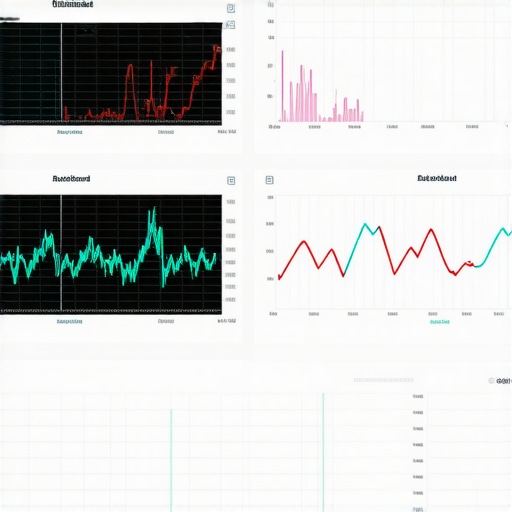
Visualize your signal health checks with a dashboard view like the one offered by BrightLocal, which consolidates citation, review, and NAP data for quick assessment—making ongoing maintenance manageable and effective.
Throughout this journey, I realized that our biggest breakthroughs often come from the most unexpected lessons. One of the hardest lessons I learned about GMB cleanup and signal repair is that superficial fixes rarely deliver lasting results. Deep, strategic audits uncover hidden issues that sabotage your local rankings, and addressing these can transform your visibility.
Another insight? Mythbusting common misconceptions is crucial. For instance, many believe that reviews alone determine rankings. In reality, it’s the harmonious health of all signals—NAP consistency, data accuracy, and conflict resolution—that makes the real difference.
Finally, never underestimate the power of ongoing monitoring. Signal health isn’t a set-it-and-forget-it task. Regular audits, combined with the right tools, keep you ahead of emerging threats like AI filters or competitor interference, ensuring your local presence remains strong.
Tools and Resources That Changed My Approach
My essential toolkit for maintaining signal integrity includes Seomonitor’s LocalRank Tracker for real-time rankings, BrightLocal for citation and NAP audits, and data scrubbing techniques to clear toxic signals. These tools provide clarity and empower proactive decisions, helping me prevent small issues from snowballing into ranking crises.
Staying ahead also means automating monitoring processes. I rely on custom alerts via APIs to detect sudden ranking shifts or data conflicts. This proactive approach has been vital for quick recovery and consistent visibility.
Looking forward, I believe emerging AI validation tools will refine how we detect and fix signal issues, making maintenance even more effective. Regularly updating and testing new capabilities ensures your local SEO remains resilient amid constant algorithm changes.
What the Hard-Earned Lessons Have Taught Me
- Superficial fixes can do more harm than good—strive for in-depth audits that reveal the root cause.
- Consistent signal health monitoring prevents small glitches from becoming ranking disasters.
- Combining powerful tools with routine checks is your best defense against unseen threats.
Mastering signal health isn’t just a technical skill—it’s a strategic mindset that separates thriving local businesses from those stuck in the shadows. Embrace this proactive approach, and you’ll carve out a resilient, high-visibility presence that stands the test of time.
Stay Sharp and Keep Moving Forward
If you’re serious about dominating your local market, treat signal maintenance as an ongoing journey, not a one-time fix. Regular audits, leveraging the right tools, and staying updated with future trends will keep you ahead of the curve. Remember, your signals are like the heartbeat of your local presence—keep them strong, and success will follow.
Have you ever identified a hidden signal issue that turned your rankings around? Share your story below—I’d love to hear how you overcame your local ranking challenges!
📚 Further Reading
- How to Improve Local SEO: 11 Best Practices – Semrush
11 Tips to Improve Local SEO · 1. Optimize Your Google Business Profile · 2. Leverage Directories an