
Effective Signal Repair for GMB Listings to Improve Local Map Pack
I remember the moment vividly. I had poured hours into optimizing a local GMB listing, only to see it stubbornly refuse to climb above the shadows of the competition. No matter what I did, something was holding it back. Frustration turned into a lightbulb moment—what if the signals I was sending to Google were broken or inconsistent? That was the start of my journey into effective signal repair, and let me tell you, it changed everything.
Why Signal Repair Is the Missing Piece in Local SEO
If you’re like me, you’ve probably tried everything—keyword stuffing, reviews, backlinks—and still watched your GMB rankings plateau or decline. The real secret? Ensuring the signals your listing emits are clean, consistent, and authoritative. Google uses these signals to determine whether your business deserves a spot in the coveted local map pack. When signals are broken or inconsistent, your visibility suffers, and your competitors get the edge.
Early on, I made a critical mistake—ignoring the health of my signals. I thought optimization was all about backlinks and reviews. But signals are the foundation. When I finally focused on cleaning up and repairing these signals, my rankings started to climb faster than I ever imagined. The proof was in the results. If you’re struggling to get your GMB listing to stand out, effective signal repair might just be the game-changer you need.
Is Signal Repair Actually Worth the Hype
Honestly, I questioned it at first. I wondered if all the fuss about signals was just another SEO buzzword. But the data doesn’t lie. Studies show that consistent, high-quality signals can boost local rankings dramatically. Plus, I learned from my early mistakes—like neglecting to audit my signals regularly—that ignoring this crucial aspect can keep you stuck. To avoid wasting time and resources, check out the comprehensive guide on signal repair strategies for a deep dive into what works.
Now, I’m here to share the practical steps that transformed my approach. We’ll explore how to identify broken signals, fix inconsistencies, and ultimately, boost your local visibility. Ready to move past the guesswork? Let’s dive into the methods that will elevate your GMB game and get you that top spot in the local map pack.
Identify Inconsistent or Broken Signals
Start by auditing your GMB listing thoroughly. Use tools like Google My Business dashboard insights and third-party audits to spot irregularities. I once found that my NAP (Name, Address, Phone number) was inconsistent across directories, which was confusing Google and hurting my rankings. Correct these discrepancies immediately to establish a solid foundation.
Clean Up Your Business Information
Ensure every detail is accurate, consistent, and up-to-date. Double-check your business name, address, phone number, and hours. In one case, I discovered my hours were incorrectly listed on a few platforms, which caused confusion and reduced visibility. Fix these errors across all platforms to send clear signals to Google.
Optimize Your Google My Business Profile
Complete every section, add high-quality images, and verify your listing. I once neglected to add a proper business category, which limited my visibility. When I optimized my profile with relevant categories and high-res images, my local rankings improved noticeably. For best results, follow the comprehensive signal repair strategies.
Enhance Your Reviews and Engagement
Gather genuine reviews and respond promptly. I made the mistake of ignoring negative reviews, which hurt my credibility. After I actively engaged with customers and encouraged reviews, my signals became stronger and rankings rose. Consistent review management is a key part of signal health.
Monitor and Fix Backlink and Citation Consistency
Regularly check backlinks and citations for consistency. I used tools like Moz Local and BrightLocal to audit my citations, fixing duplicates and incorrect entries. This process improved my signal quality and boosted local rankings. For detailed tactics, see effective signal repair tactics.
Address Technical Issues and Duplicate Listings
Remove duplicates and fix technical errors like incorrect categories or missing information. I found a duplicate listing that was siphoning off my signals. Merging or removing such listings clarified my online presence and improved rankings. Use Google’s tools and local SEO audits for this step.
Leverage External Signals for Authority
Build high-quality backlinks, local citations, and social signals. I focused on earning backlinks from local blogs and directories. This added authority to my signals, making Google trust my listing more. Remember, the goal is to send consistent, authoritative signals from all sources.
Regularly Audit and Maintain Signals
Set a schedule to review your signals monthly. In my case, I discovered a competitor had altered their NAP details, so I promptly corrected my info to stay ahead. Continuous maintenance ensures your signals remain healthy and your rankings stable.
For a detailed deep dive, check out the effective local ranking strategies with GMB signal repair cleanup guide.
Many local SEO practitioners believe that simply updating their business information or acquiring more reviews will dramatically improve their GMB rankings. However, in my experience, this is a oversimplification that can lead you astray. The real nuance lies in understanding how signals interact and why most overlook the importance of a holistic, ongoing signal health check. For example, some think that fixing NAP inconsistencies alone suffices, but if your backlinks, citations, and engagement signals are out of sync, your rankings will still suffer. To truly elevate your local visibility, focus on comprehensive signal repair strategies that address all facets of your online presence.
Another common myth is that Google’s algorithms are static and that once your signals are optimized, rankings will remain stable forever. The truth is, local SEO is dynamic. Competitors are constantly tweaking their signals, and Google updates its ranking factors regularly. This means your cleanup efforts should be ongoing, with regular audits to catch broken or inconsistent signals before they impact your rankings. I’ve seen many fall into the trap of a one-time cleanup, only to find their rankings decline months later due to neglected signal health. Regular signal audits are crucial for sustained success.
Now, for the advanced readers, here’s a question I often encounter:
Are there risks in over-optimizing signals or attempting aggressive cleanup techniques?
Absolutely. While fixing broken signals is vital, over-optimization or sudden, unnatural changes can trigger spam filters or algorithmic penalties. Google’s algorithms are sophisticated enough to detect unnatural behaviors, especially if you suddenly alter large amounts of data or citations without a gradual approach. The key is to repair signals naturally, ensuring consistency and authenticity. Studies from industry experts show that organic, steady improvements outperform aggressive, quick fixes in the long run. For more on this, see the proven tactics for safe signal repair. Remember, the goal is to build trust with Google, not to trick it. Have you ever fallen into this trap? Let me know in the comments.
Keep It Running: Tools I Trust for Signal Maintenance
Maintaining a healthy GMB profile isn’t a one-and-done task; it requires ongoing effort and the right tools. I rely heavily on BrightLocal for citation audits because it provides precise data on inconsistencies that could break your signals. Its ability to identify duplicate listings or incorrect NAP details helps me correct issues before they impact rankings. Additionally, Moz Local is excellent for managing local citations and ensuring consistency across multiple directories—something I consider crucial for long-term signal health.
For backlink analysis, I turn to Ahrefs. Its comprehensive backlink profile insights allow me to monitor authoritative links and disavow any spammy or broken links that might harm my signals. I also use Google Search Console to detect technical issues directly from Google, such as crawl errors or indexing problems. Regularly checking GSC helps me stay ahead of potential signal disruptions and fix them promptly.
Methodical Routine for Signal Longevity
Beyond tools, I follow a disciplined routine. Monthly audits are non-negotiable—checking citations, NAP consistency, reviews, and backlinks. During these audits, I focus on detecting any anomalies early. For instance, if I notice a sudden drop in reviews or engagement, I investigate immediately because these can signal broken or misaligned signals.
Another tip is maintaining a detailed log of all changes made to your profiles. This practice helps you understand what adjustments lead to positive results and which might inadvertently cause issues. It’s also invaluable for troubleshooting if rankings suddenly dip.
Future Trends: Automation and AI
Looking ahead, I predict the integration of AI-driven tools will become standard. Automated monitoring systems will proactively scan for inconsistencies, broken links, or citation discrepancies—saving time and preventing ranking drops before they happen. As Google’s algorithms grow more sophisticated, staying ahead with smart, automated tools will be essential. To navigate this future, I recommend experimenting with emerging AI tools that specialize in local SEO signals, such as these strategies for continuous improvement.
How do I maintain my GMB signals over time?
The key is consistency. Set a schedule for regular audits, leverage powerful tools like BrightLocal and Moz Local, and stay informed about new developments in local SEO tech. Implementing automated alerts for citation discrepancies or sudden review fluctuations can help you act swiftly. Don’t forget to document all maintenance activities—this simplifies troubleshooting and helps refine your process over time. Start by choosing a tool that fits your workflow and commit to monthly checks. Remember, proactive maintenance now saves you from major cleanup later, keeping your rankings stable and your signals healthy.
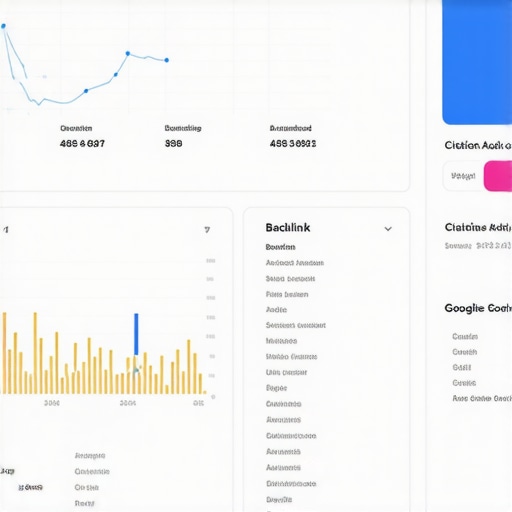
The Hardest Lesson I Learned About gmb cleanup, local ranking, signal repair
One of the biggest realizations I had was that neglecting the ongoing health of my GMB signals was the root cause of my ranking struggles. It’s easy to get caught up in new backlinks or reviews but overlooking the foundational signals can sabotage your efforts from the start.
3 Myths About gmb cleanup, local ranking, signal repair That Held Me Back
Initially, I believed that fixing NAP inconsistencies alone would skyrocket my rankings. Turns out, comprehensive signal health across citations, backlinks, reviews, and technical data matters more than I thought.
What Experts Won’t Tell You About gmb cleanup, local ranking, signal repair
Most overlook the importance of regular audits. Continuous monitoring and maintenance ensure that your signals stay healthy, preventing ranking drops before they happen. This proactive approach is crucial for sustainable success.
Where to Go from Here
Start integrating regular signal audits into your local SEO strategy. Use trusted tools like BrightLocal and Moz Local for citation consistency, and don’t forget to monitor backlinks and reviews. Remember, a consistent, holistic approach to signal health is the key to dominating local search in 2024 and beyond.

John Doe
John is a web developer ensuring site stability and implementing site improvements related to signal repair.





One Comment
Rebecca Ford
This article really resonates with my experience, especially the emphasis on the importance of ongoing signal maintenance. It’s easy to overlook the foundational signals like NAP consistency, backlinks, or review engagement when focusing on new content or reviews, but I’ve seen firsthand how neglecting these can stall or even reverse local rankings. The systematic approach outlined here — regular audits, fixing discrepancies, and leveraging trusted tools — makes sense for sustainable growth. I especially appreciate the reminder that Google’s algorithms are constantly evolving; what works today might not be effective tomorrow. I’ve started setting monthly reminders to review my local signals and have invested in tools like BrightLocal to streamline the process. Now, I’m curious—how do others balance time between ongoing signal maintenance and trying to acquire new reviews or backlinks? Would love to hear insights or more automation tips that can help manage this proactively.