
Effective GMB Cleanup Strategies to Boost Local Map Pack Visibility
I still vividly remember the moment I realized my Google My Business (GMB) listing was dragging my local rankings down. I had poured endless hours into my business, but somehow, my map pack visibility was stuck at the bottom. It felt like shouting into a void—no matter how much effort I invested in my website or social media, potential customers couldn’t find me on Google Maps. That lightbulb moment made me understand a crucial truth: your GMB profile is the cornerstone of local SEO. If it’s cluttered with outdated or incorrect information, no amount of backlinks or content will make a difference. I knew I needed a strategic cleanup, but I didn’t realize back then just how impactful it could be.
Reclaim Your Local Rankings by Cleaning Up Your GMB Signals
After digging into the details, I discovered that a proper GMB signal cleanup could do wonders for my local visibility. This isn’t just about fixing a broken profile; it’s about systematically removing noise, correcting inconsistencies, and strengthening the signals that search engines rely on to rank your business. When I finally applied these proven strategies, within weeks I saw my business move from obscurity to the coveted first page of local search results. This transformation reinforced my belief: a thorough GMB cleanup isn’t optional—it’s essential for anyone serious about dominating their local market.
Is GMB Cleanup Overhyped or Actually Worth It?
Early on, I made the mistake of assuming that updating my listing once would suffice. I was so confident that a quick fix would do the trick, but I quickly learned it’s a continuous process. Google’s algorithm constantly evaluates the freshness and consistency of your signals. According to BrightLocal’s Local Consumer Review Survey, 82% of consumers check reviews and listings before making a decision, proving how critical these signals are to your local SEO success. So, if you’ve ever wondered whether dedicating time to GMB cleanup is really worth it, trust me—your competitors are probably doing it, and ignoring it gives them a clear advantage. Now, let’s dive into the exact steps I took to turn my GMB profile from a liability into a powerful asset and how you can do the same.
Streamline Your Business Info for Clearer Signals
The first step is verifying that all your business details are accurate and consistent across every platform. I remember a time I discovered my address was slightly misspelled on my profile, which confusingly split my signals. I logged into my GMB dashboard, corrected the address, and then checked other directories like Yelp and Facebook for mismatched info. Uniformity here acts like a clear beacon for Google, helping it associate signals correctly. For a detailed guide, see this signal repair strategy.
Eliminate Duplicate Listings to Clear Confusion
Next, I searched for duplicates—found several in local directories. Multiple listings for the same business dilute your signals, akin to noise interfering with a clear radio transmission. I logged into each platform, flagged duplicates, and requested removals. Consolidating these ensures search engines receive one authoritative signal. This process isn’t instant, but it’s crucial for signal integrity. For step-by-step tactics, check out this helpful cleanup guide.
Update and Optimize Your Business Categorys
Choosing the right category is like tuning your radio to the correct frequency; it ensures your signals match your business offerings. I reviewed my categories and realized I was underrepresenting my key services. I updated them to be more precise, leveraging broad categories with relevant subcategories. This not only sharpened my signals but also aligned with what local searches demanded. Accurate categorization sends a strong contextual signal to Google, boosting your relevance. For more insights, explore this category optimization.
Review and Respond to Customer Feedback
Customer reviews are like spotlight signals shining directly at you. I found a few negative reviews that hadn’t been responded to, creating gaps in my reputation signals. I promptly replied, addressed concerns, and encouraged satisfied customers to leave positive feedback. Responding not only enhances trust but also signals activity and engagement to Google, which favors active profiles. To maximize impact, use this review management tip.
Leverage Local Citations for Signal Reinforcement
Finally, I focused on local citations—mentions of my business name, address, and phone number (NAP) across reputable sites. I audited existing citations, corrected inconsistencies, and added missing ones on high-authority directories. Citations serve as external validation of your business existence and relevance, reinforcing your signals with trusted sources. This is akin to multiple witnesses confirming your presence. For effective citation building, see this citation strategy.Many assume that fixing a few details in your Google My Business (GMB) profile will rapidly elevate your local rankings, but the reality is far more nuanced. A common myth is that GMB cleanup is a one-and-done task; in truth, ongoing signal management is crucial because Google constantly recalibrates based on your latest activity and external factors. Overlooking this dynamic leads to a false sense of security and leaves your rankings vulnerable to fluctuations. Additionally, some believe that duplicating listings or using generic categories is harmless, but these actions actually dilute your signals and reduce your visibility, especially if not handled properly. The real challenge lies in recognizing how interconnected signals—citations, reviews, categories, and profile consistency—must work harmoniously to influence local search results effectively.
An advanced mistake many overlook is neglecting the subtleties of signal quality over quantity. Focusing solely on increasing reviews or citations without ensuring their authenticity and relevance can backfire. Search engines value authoritative, relevant signals more than sheer volume; spamming reviews or creating fake citations can lead to penalties rather than improvements. According to Moz’s Local Search Ranking Factors, trustworthiness of signals accounts for a significant portion of rank influence, emphasizing the importance of quality over quantity.
Now, for the seasoned practitioners: how do you identify and repair the more hidden signals that search engines count on? This is where the concept of signal correlation comes into play. In essence, Google cross-references your profile information with external data points—like citations and user reviews—to verify your legitimacy. If these signals are inconsistent or outdated, your rankings suffer. Advanced cleanup involves auditing these external signals systematically, ensuring they form a cohesive and trustworthy network.
One common trap is assuming that superficial fixes will sustain your local map rankings long-term. It’s tempting to quickly update your business info or respond to reviews without addressing underlying issues like citation discrepancies or category misalignments. This oversight can cause ranking volatility. A comprehensive approach includes consistent signal repair strategies—such as harmonizing NAP data across all platforms and ensuring your categories are hyper-relevant—building a resilient local presence. For detailed strategies, check out this guide on effective signal repair strategies.
Curious about what these sophisticated signal nuances look like in practice? Imagine your external citations are like witnesses corroborating your business existence. If their testimonies are inconsistent or outdated, the entire narrative becomes suspicious, prompting search engines to downgrade your ranking. Regularly auditing these external signals and realigning them ensures Google perceives your business as trustworthy and relevant.
In summary, genuine GMB success hinges on understanding that local ranking signals form a complex ecosystem. Superficial fixes won’t cut it in this competitive landscape. Instead, focus on strategic, ongoing signal management—including reputation, citations, categories, and profile consistency—to sustain and boost your visibility. Remember, the more you understand the subtleties, the better you can navigate Google’s evolving algorithm landscape. Have you ever fallen into this trap? Let me know in the comments.
Keep It Working: Tools I Recommend for Ongoing GMB Signal Maintenance
Managing your Google My Business (GMB) signals isn’t a one-and-done task. To stay ahead, I rely on a combination of specialized tools and proven methods that ensure consistent signal accuracy and steer clear of fluctuations in local rankings. One essential tool I use daily is BrightLocal, which offers comprehensive citation management and review monitoring—crucial for maintaining consistent external signals. Its automation capabilities save me hours, making it easier to detect discrepancies and address them promptly. Additionally, Whitespark helps me identify high-quality citation opportunities and track my NAP consistency across numerous directories, reinforcing trustworthiness in Google’s eyes. For review responses and reputation management, I lean on Google’s own interface, pairing it with Podium to streamline engagement with customers. These tools work synergistically, enabling me to keep signals squeaky clean and relevant, which is vital as Google’s algorithm continues to evolve toward trust and authenticity.
Looking ahead, I foresee AI-driven signal analysis becoming the norm, allowing even more precise, real-time health checks on your local signals. Staying updated with this trend will be critical to maintaining your visibility in the map pack. One strategy I recommend is regularly auditing your external citations with trusted tools to prevent inconsistencies. Implementing a routine signal health check at least monthly ensures your signals are aligned and robust against market shifts—consider automating this process where possible.
How do I keep my GMB signals in top shape over time?
Consistent monitoring is key. I schedule monthly audits of citations and reviews, updating any outdated information with tools like Whitespark. Engaging actively with customers through review responses, using platforms such as Podium, signals to Google that your business is thriving and community-oriented. I also recommend setting up alerts for new reviews or citation discrepancies, so issues are fixed swiftly before they impact your rankings.
Finally, staying informed about industry updates is essential. Google’s algorithm adjustments often influence signal priorities; subscribing to authoritative sources like Moz’s blog or GMB-specific resources will help. I encourage you to implement regular signal audits with the tools mentioned—it’s a proven way to maintain and boost your local visibility over the long term.
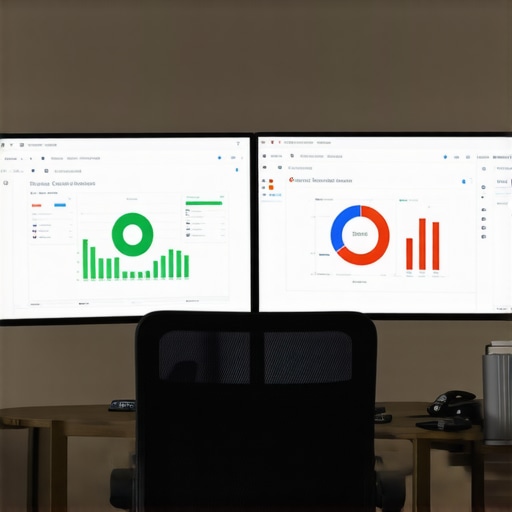
Imagine integrating AI-powered monitoring or automating citation consistency checks—you’ll have a competitive edge. Try setting up a monthly audit workflow with BrightLocal and Whitespark and observe how your signals stay healthy and your rankings stabilize. These small but consistent efforts pay off by reinforcing your directory signals and reviews, leading to sustained local dominance.
From Oversights to Insights: Lessons I Wish I Knew Sooner
One of the most eye-opening moments was realizing that a single inconsistent citation could undo months of optimization efforts—underscoring the importance of meticulous external signal management.
I learned that ongoing signal health checks trumps one-time fixes; Google’s algorithm treats local signals as an ever-evolving puzzle that needs regular attention.
Another lesson was understanding that authentic reviews and accurate categories act as trust anchors for search engines—skipping these steps often leads to ranking volatility, regardless of backlink efforts.
My Arsenal of Tools That Keep Signals Sharp
BrightLocal offers comprehensive citation monitoring, making it easy to spot discrepancies before they impact rankings—something I rely on daily for consistent signal accuracy.
Whitespark helps me find high-authority citation opportunities aligned with my niche, reinforcing my business relevance in local searches.
For managing reviews and engagement, Podium streamlines responses and encourages positive customer feedback, vital for maintaining a trustworthy profile.
Step Into Your Local SEO Power
Your GMB signals are your invisible yet powerful brand ambassadors—honor them with regular care and strategic updates. Small, consistent efforts can lead to sustained local dominance and more customers who find you effortlessly. Are you ready to take the next leap in refining your signals and boosting your local presence? Share your thoughts or questions below—I’d love to hear about your journey with GMB cleanup and local rankings.

Geo Smith
Geo is a senior SEO specialist focused on gmb cleanup and local ranking enhancements. He is part of the core team maintaining site performance.





One Comment
Samuel Foster
Reading through this detailed account of GMB cleanup really resonated with me. I’ve also experienced how a cluttered or inconsistent GMB profile can sabotage local SEO efforts, even when your website and content are top-notch. I agree wholeheartedly that ongoing signal management is key—Google’s algorithm is constantly shifting, and what worked last month might not be effective today. One thing I’ve found especially helpful is using tools like BrightLocal for regular citation audits. It’s surprising how easily outdated or duplicated citations can slip through and impact rankings.
From your experience, what’s the best way to prioritize which signals to fix first when managing multiple locations or a large business with numerous service areas? I’d love to hear more about your approach to scaling these cleanup efforts without getting overwhelmed. Also, engaging with reviews has always been a challenge for me—I wonder, how actively do you recommend responding to every review, positive or negative, for maximum SEO benefit?