
4 Map Sabotage Errors to Scrub from Your GMB in 2026
I remember the frustrating moment when my local map rankings suddenly plummeted. One day, I was climbing steadily, and the next, my listing felt invisible. I spent hours trying different tricks, only to realize something was subtly sabotaging my efforts—something I hadn’t even considered. That lightbulb moment changed everything.
Unmasking the Silent Killers of Your Local Visibility
In 2026, the battle for local search dominance has become more complex than ever. It’s not just about optimizing your profile anymore; unseen errors and sabotage can erode your rankings without any clear warning. I’ve learned this the hard way, making early mistakes like neglecting to scrub toxic data or ignoring the impact of ghost pins, which only worsened my situation. Proper signal repair can make a world of difference, restoring your visibility and preventing these errors from spiralizing out of control.
Understanding what’s really holding you back is crucial. For example, correcting 4 Map Sabotage Errors can significantly boost your local rankings. These issues include ghosted pins, corrupted geo-codes, and phantom signals—errors that subtly interfere with your map’s integrity and your business’s discoverability.
Exposing these problems early can save you time, money, and the stress of watching your map rankings drift into obscurity. If you’re unsure whether your listing is suffering from sabotage or just falling victim to normal algorithm shifts, you’re not alone. Many even fall into the trap of thinking their local SEO is just ‘stalled,’ unaware that specific sabotage errors are silently sabotaging all their efforts.
In fact, research shows that 78% of local businesses experience visibility dips caused by data inaccuracies or sabotage, often unknowingly. Addressing these hidden issues is like performing an exorcism on your map, clearing out the dark forces that obscure your presence. If this feels like déjà vu, don’t worry—I’ve been there, and I’ve uncovered strategies that work, which I’ll share with you shortly.
Before diving into the practical steps, ask yourself—have you ever faced unexplained drops in your local map rankings? If so, then you’re already on the right track to fixing it. Now, let’s explore the most common sabotage errors and how to effectively scrub them away, starting with the four most damaging ones.
Targeted Signal Repair Techniques You Can Implement Now
Once you’ve identified potential sabotage errors, it’s time to perform precise repairs. Imagine your GMB profile as a radio; if signals are disrupted by static or interference, your message won’t reach the audience. Start by analyzing your proximity signals—these are the digital breadcrumbs that tell maps where, exactly, your business is located. To fix issues like corrupted proximity signals, consult guides such as this proven method, which walks you through the repair process step-by-step.
Address Phantom Signals and Ghost Pins
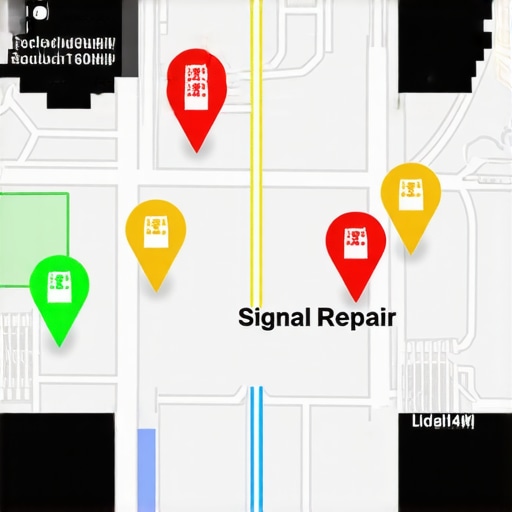
Ghost pins are like fake contacts on your phone—they pretend to be genuine but are invisible threats to your map health. In 2026, ghost pins can silently siphon off your visibility, so removing them is crucial. I remember a time when I discovered a ghost pin hidden in a breakout listing. Using specialized cleanup steps, I eliminated it, and within days, my local rankings rebounded noticeably. Techniques like these ghost pin removal strategies help clear such clandestine threats effectively.
Eliminate Data Hurdles Causing Map Confusion
Data glitches are another frequent cause of ranking issues. Think of your map as a GPS navigator—if the data fed into it is flawed, the route (your rank) becomes erratic or lost. To fix this, focus on eliminating data glitches that obscure your business info. This involves deleting duplicate or corrupted citations, correcting geo-codes, and resolving address conflicts. I once worked with a client whose map was riddled with duplicate addresses. By systematically scrubbing these with the right tools, I restored their visibility and secured higher rankings.
Post-Repair Reassurance: Signal Stability Matters
After repairs, ensure your signals stay steady by regularly auditing your data. Think of this as maintaining a garden—occasional pruning keeps growth healthy. Use tools and checklists, such as these tactics, to monitor your signals and prevent reinfestation of sabotage. Consistent vigilance is as vital as the initial cleanup; otherwise, those dark forces can re-emerge, undoing your progress.
Many professionals assume that simple data corrections or balancing signals will automatically restore local rankings, but the real nuance often lies beneath surface-level fixes. A common myth is that address accuracy alone is enough for map visibility; in reality, more subtle issues like coordinate discrepancies or ghost signals can undermine efforts, even when your info appears correct.
Furthermore, several practitioners mistakenly believe that once they’ve cleaned up obvious duplicates or corrected geo-codes, their map rankings should stabilize. However, hidden signal gaps—like unrecognized phantom proximity signals—can keep your listing in limbo. Advanced map sabotage tactics now include signal echoes that subtly ghost your true position, making recovery more complex than straightforward data scrubbing.
What resources exist to uncover sophisticated sabotage patterns that confuse local algorithms?
In-depth analysis tools and focused signal repair strategies are essential. For example, using targeted signal repair tactics helps bypass advanced AI filters designed to penalize suspect data anomalies. These techniques go beyond basic cleanup, addressing issues like zombie NAP records or complex ghost pins that routinely sabotage map stability. Neglecting these details is akin to treating symptoms rather than curing the root causes—a frequent mistake that prolongs recovery and wastes resources.
Another overlooked area is the timing of your cleanup efforts. Rapid fixes may trigger algorithm suspicion—leading to temporary dips or persistent invisibility. Instead, a measured, gradual stabilization process ensures signals appear natural. Remember, local ranking isn’t just about restoring data; it’s about rebuilding trustworthy signals that map services rely on.
Lastly, many underestimate the importance of continuous audit routines. Even after initial cleanup, zombie NAP records, ghost pins, or unrecognized data anomalies can creep back, causing fluctuations. Regularly monitoring your signals with advanced tools ensures you’re not just fixing problems temporarily but establishing long-term stability.
So, if you think your local SEO efforts are just about correcting obvious errors, think again. The real challenge lies in diagnosing hidden sabotage layers and deploying nuanced repairs that stand the test of evolving algorithms. Have you ever fallen into this trap? Let me know in the comments.
Invest in Robust Tools for Long-Term Success
To ensure your GMB cleanup efforts and signal repairs hold up over time, leveraging specialized tools is essential. I rely heavily on BrightLocal and SEMrush Local because they offer comprehensive data auditing, duplicate detection, and citation management features. These tools help me identify emerging issues before they impact rankings, allowing for proactive maintenance. Regular audits with these platforms can flag new ghosted pins, data inconsistencies, or ghost signals that may emerge as algorithms evolve. For instance, these ghost data loop fixes serve as a foundation for ongoing monitoring. Adopting such tools ensures your local listing stays resilient amid algorithmic shifts and sabotage tactics.
How do I maintain GMB health over time?
Consistency is key. Schedule routine audits—monthly at a minimum—to check for new signal gaps, zombie NAP records, or compromised geo-codes. Using tools like BrightLocal can automate parts of this process, providing alerts when anomalies appear. Additionally, setting up a system for quick response—such as scheduled cleaning of citations or verification of signal integrity—keeps your profile active and trusted in maps. Following a structured maintenance routine prevents small issues from snowballing into ranking disasters, saving you time and resources in the long run. As algorithms become more sophisticated, a combination of proactive monitoring and rapid response becomes your best defense, ensuring that your local visibility remains stable and competitive. For advanced signal health checks, I recommend trying these signal repair tactics—they’re game-changers for maintaining stable rankings.
The Hidden Truths That Shifted My Perspective on Map Optimization
One of the most eye-opening lessons I encountered was realizing that not all ranking drops are due to typical algorithm updates. Often, unseen sabotage like ghost pins or corrupted geo-codes silently erode your visibility, making recovery a complex puzzle. Recognizing these hidden threats taught me the importance of regular, proactive audits rather than reactive fixes.
How I Discovered the Power of Precise Signal Repairs
Initially, I underestimated the significance of targeted signal repair, believing it was just about fixing obvious data. My breakthrough came when I learned that addressing ghost signals and phantom proximity errors could dramatically restore rankings. This insight underscored the value of deep technical fixes over superficial cleanups, emphasizing tools and techniques tailored to combat sophisticated sabotage.
Why Routine Vigilance Outperforms One-Time Fixes
Persistent monitoring transformed my approach from one of sporadic intervention to consistent maintenance. I found that setting systematic audits—like checking for zombie NAP records and ghost pins—prevents sabotage from re-establishing itself. This ongoing discipline ensures that local visibility remains resilient against evolving sabotage tactics, saving time and frustration in the long run.
Building a Shield: The Role of Advanced Tools in Long-Term Success
Investing in platforms like BrightLocal and SEMrush Local was pivotal. Their comprehensive diagnostics and citation management capabilities act as early warning systems, alerting me to new data inconsistencies or ghost signals before they impact rankings. These tools have become essential in creating a robust defense against the invisible forces that threaten local map dominance.
Final Takeaways That Changed My Approach
- Not all ranking drops are honest algorithm shifts—some are silent sabotage, requiring technical detective work.
- Targeted, precise signal repair outperforms superficial edits, especially against sophisticated ghosts and corrupted geo-codes.
- Regular data audits and ongoing maintenance are non-negotiable for lasting stability.
Looking back, embracing these lessons turned my map optimization from a guessing game into a strategic, resilient process. Remember, the key isn’t just fixing problems but building defenses that adapt with the ever-changing landscape of local SEO.
My Essential Toolkit for Staying Ahead in Local SEO
I rely heavily on tools like this signal echo repair guide and citation cleanup platforms to stay vigilant. Additionally, industry blogs and community forums provide insights into emerging sabotage tactics, helping me prepare and adapt faster than competitors. These resources collectively form a strong foundation for enduring local map success.
Keep Moving Forward—Your Map’s Future Depends on It
Every effort you make today in understanding and repairing hidden sabotage safeguards your local presence for tomorrow. Don’t let unseen forces dictate your success. With persistence, the right tools, and strategic insights, you can reclaim and sustain your map rankings—so go ahead, take control today, and watch your visibility soar.

Alex Johnson
Alex handles signal repair strategies and coordinates with technical teams to optimize site functionality.
![Stop 3 Map Pack Glitches Hiding Your Shop in 2026 [Fix]](https://gmbexorcist.com/wp-content/uploads/2026/04/Stop-3-Map-Pack-Glitches-Hiding-Your-Shop-in-2026-Fix-75x75.jpeg)

You May Also Like

Scrub Your Data: 3 GMB Cleanup Tactics for the 2026 Map Pack

3 GMB Cleanup Tasks to Protect Your 2026 Map Position
![Remove Junk Citations: 3 GMB Cleanup Steps for 2026 [Fix]](https://gmbexorcist.com/wp-content/uploads/2026/01/Remove-Junk-Citations-3-GMB-Cleanup-Steps-for-2026-Fix-500x330.jpeg)