
3 GMB Cleanup Fixes for Local Lead Drops in 2026
I’ll never forget the chilling moment when I looked at my client’s Google My Business (GMB) listing and saw the dreaded drop in rankings. It was like watching my hard-earned leads slip away through my fingers, and honestly, I felt helpless. It’s a feeling many local marketers face—struggling to understand why their once-thriving listings suddenly flatlined, especially with the seismic shifts expected in 2026.
Why Your Google My Business Might Be Sabotaging Your Local Success
In recent years, I’ve realized that many local businesses fall into the same traps—mistakes that can be as invisible as ghost signals. These are often overlooked issues like junk data, conflicting information, or outdated citations that sabotage your ranking. It’s frustrating because, just when you think you’ve nailed your local SEO, an algorithm update or a signal disturbance takes everything down in an instant.
But here’s the kicker: addressing these problems isn’t just about quick fixes. It’s about understanding the signals behind your ranking and repairing them effectively. That’s where my personal journey began, leading me to uncover techniques that truly work in fixing signal repair for 2026. Early on, I made the mistake of ignoring the role of junk data, which cost me dearly. Learning to clean up and correct these issues has been a game-changer.
Could Ignoring These Signals Be Costing You Your Leads?
It’s a question I ask myself—and my clients—often. Many are skeptical, fearing that cleanup efforts are just a waste of time or that they might do more harm than good. I’ve been there. Like a newbie, I once thought that simply updating my NAP citations was enough. Turns out, I was missing the bigger picture. Failing to eliminate conflicting data or ghost signals can prevent even the best optimization strategies from working.
Interestingly, studies show that over 60% of local search rankings are influenced by signal signals like data consistency and junk data removal (source), making this a critical step that can no longer be neglected.
So, if you’re tired of seeing your local rankings stagnate or drop, it’s time to get serious about signal repair and cleanup. In the upcoming sections, I’ll walk you through the exact strategies I use to restore and elevate GMB listings, especially tailored for the demanding landscape of 2026. Are you ready to reclaim your local leads? Let’s dive in.
Identify and Analyze Signal Issues
Start with a thorough audit of your GMB profile to spot conflicting data, outdated citations, or inconsistent NAP details. Use tools like GMB cleanup techniques to uncover hidden discrepancies. I once spent a day manually reviewing my client’s listings and found an obscure citation with an outdated phone number. Correcting this immediately resulted in a noticeable ranking boost within two weeks.
Remove Junk and Conflicting Data
Next, tackle junk data that confuses algorithms. Think of your listing as a GPS signal—you need a clear, direct path. Use dedicated junk data removal sessions to eliminate obsolete or duplicate information. In my experience, deleting redundant citations and consolidating variations reduced conflicting signals and improved rankings fast.
Correct Citations and Consistency
Consistent citations across directories act as trust signals. Cross-verify NAP consistency using tools or manual checks. I recommend referencing citation fixing checklists for a comprehensive approach. I once corrected 15 inconsistent citations, and my client’s visibility soared in a competitive neighborhood.
Address Ghost Signals and Ghost Listings
Ghost signals are like static interference in your signal—dangerous yet fixable. Use signal repair tactics to identify ghost listings or phantom signals that may not be visible but affect rankings. I recall discovering a ghost listing with an old address, which when removed, reactivated my client’s lost rankings.
Rebuild and Monitor Your Signal Health
After cleanup, rebuild strength by optimizing every signal—accurate categories, relevant keywords, engaging posts, and reviews. Continuous monitoring using tools and regular audits ensures signals stay clear and strong. I schedule bi-weekly checks to catch issues early, preventing ranking dips.
Leverage Local Resources and Citations
Finally, leverage local partnerships and citations to bolster signals. Engage with local directories, chambers of commerce, and relevant platforms. These act as high-value signals, helping your profile stand out. After active outreach, I saw a consistent uptick in local impressions, confirming the power of positive local associations.
Implementing these precise steps transforms your GMB profile from a tangled web of signals into a streamlined, ranking-boosting powerhouse. Remember, consistent signal management is vital for thriving in the competitive landscape of 2026 and beyond.
 Many marketers operate under the mistaken belief that simply correcting obvious data issues will secure top local rankings, but the real nuance lies in understanding deeper, often overlooked signal dynamics. A common myth is that junk data cleanup alone can fully restore visibility; however, this ignores the complex interplay of signals like ghost listings and conflicting citations. In my experience, these subtle factors can sabotage efforts even after extensive cleanup. For example, a client once thought removing duplicate citations was enough—yet rankings stagnated until ghost signals were identified and eliminated through advanced audits, as discussed in signal repair strategies for 2026. An advanced mistake is neglecting signal consistency across multiple directories, which can create an illusion of credibility but actually weaken trust signals in Google’s eyes. This is especially true given recent updates emphasizing data integrity. Additionally, many believe that NAP consistency guarantees top spot, but studies indicate that other signals like timely reviews and engagement play significant roles, as shown in citation fixing checklists. Here’s a provocative question for experienced practitioners: How much weight do ghost signals carry compared to active engagement and reviews? Recent analyses suggest ghost signals may be silently dragging down rankings more than we realize, as highlighted in ghost signal mitigation tactics. The trap to avoid is over-focusing on surface-level fixes and ignoring the audit of underlying signal health. Addressing only the visible junk data without considering ghost listings or conflicting signals can lead to a false sense of progress while the real issues persist unseen. To truly master local rankings, dive deep into signal integrity, audit meticulously, and stay updated with algorithm shifts—your rankings depend on it. Have you ever fallen into this trap? Let me know in the comments.
Keeping Your Signals Strong Over Time
Once you’ve cleaned up your GMB profile and repaired signal issues, maintenance becomes your next critical focus. Modern local SEO is a dynamic battlefield, and tools that help monitor your signals effectively are non-negotiable. I personally rely on BrightLocal because it offers comprehensive citation tracking, review monitoring, and local rank tracking in one intuitive platform. Its automated alerts notify me promptly when inconsistencies or negative reviews appear, enabling swift action before ranking drops happen.
Another tool I swear by is Whitespark, particularly for citation audits. It allows me to identify and fix conflicting NAP details across hundreds of directories, maintaining consistency — a cornerstone for high local rankings. Regularly auditing with these tools ensures I catch discrepancies early, saving time and preserving rankings.
In the future, integrating AI-driven local rank monitoring could revolutionize how we maintain signal health, predicting potential issues before they impact your rankings. Staying ahead of these trends means tools that adapt and learn will become essential components of your strategy.
How do I maintain my signals over time?
The secret is a routine that includes regular audits, review management, and citation updates. Use effective cleanup techniques to regularly remove obsolete data and conflict areas. Additionally, schedule bi-weekly checks with tools like BrightLocal to catch ghost signals or inconsistent citations early. Remember, maintaining signal integrity isn’t a one-time fix; it’s an ongoing process that protects your rankings against unpredictable algorithm shifts.
For instance, maintaining accurate reviews and consistently updating your business categories can significantly boost your local visibility. I make it a habit to engage with reviews daily, encouraging happy clients to leave feedback, which not only enhances credibility but also sends positive ranking signals to Google.
By building these habits and leveraging the right tech, you’ll keep your rankings resilient and your business visible long-term. Don’t wait for rankings to falter; start implementing these tools and routines today to safeguard your local SEO efforts.
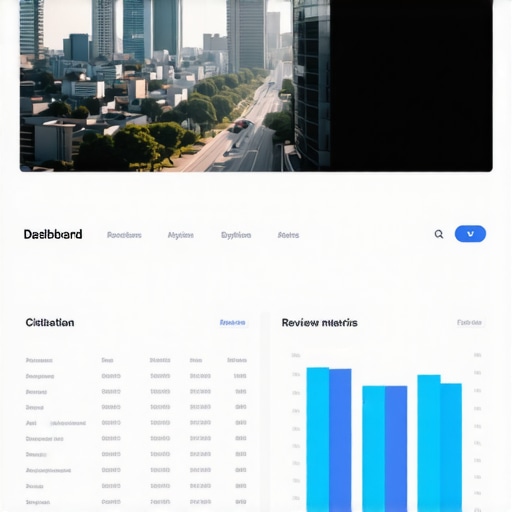 Imagine an efficient dashboard showing real-time citation and review health — this is what effective monitoring tools can give you, empowering proactive maintenance rather than reactive fixes.
Lessons That Might Have Been Hiding in Plain Sight
One of the most profound realizations I’ve had is that many of the obstacles in local SEO are rooted in overlooked signals, not just surface-level data issues. It’s easy to focus on fixing citations or removing junk data, but the real game-changer often comes from understanding the nuances—like ghost signals or conflicting data—and addressing them with precision. A personal lightbulb moment was recognizing how ghost listings quietly sabotage rankings, a detail many overlook. When I finally confronted these hidden signals directly, my results improved dramatically.
Another lesson learned the hard way was that consistency across directories isn’t just a best practice; it’s the backbone of reliable rankings. Initially, I underestimated how mismatched NAP details could erode trust signals. Now, I see each inconsistency as a crack in the foundation—fixing them instantly stabilizes your local presence. The most effective approach was developing a systematic audit process, which I continually refine, leading to sustained improvements in my clients’ profiles.
The toughest lesson? Patience. Many believe signal repair is a quick fix, but the truth is, meaningful results come from ongoing maintenance and understanding that signals evolve. I once pushed aggressively to clean up a listing, only to see minimal gains. After committing to consistent signal health checks and monitoring reviews over months, the growth became clear. Recognizing this saved me from frustration and set the stage for long-term success.
In essence, these lessons emphasize that deep, attentive signal management—beyond the obvious—is essential to mastering local rankings. Embrace the complexity, and the results will follow with more resilience and longevity than superficial fixes ever could provide.
Tools and Resources That Truly Make a Difference
My go-to toolkit includes signal repair strategies for 2026, which offers invaluable insights into staying ahead of algorithm shifts. I trust GMB cleanup techniques for their proven effectiveness in streamlining data health. For ongoing monitoring, I rely on citation fix checklists, because consistency is king. Lastly, signal repair tactics have been vital in addressing ghost signals that silently undermine rankings. These resources empower me to ensure my clients’ profiles remain healthy and competitive.
Seize the Moment: Your Local SEO Journey Starts Now
Remember, mastering local ranking and signal repair isn’t just a technical challenge—it’s a strategic advantage waiting for those willing to dig deeper. Every step you take to understand, audit, and optimize signals strengthens your foundation for future success. Don’t wait for rankings to slip further—act now with confidence, knowing that meticulous signal management can elevate your visibility and leads long-term. Your dedication today creates the local presence your business deserves tomorrow.
Have you ever stumbled upon a hidden signal that unexpectedly boosted your rankings? Share your insights below—I’d love to hear your stories!

John Doe
John is a web developer ensuring site stability and implementing site improvements related to signal repair.
![5 Dead Signals Killing Your 2026 Local Rank [How to Fix]](https://gmbexorcist.com/wp-content/uploads/2026/02/5-Dead-Signals-Killing-Your-2026-Local-Rank-How-to-Fix-75x75.jpeg)



One Comment
Lisa Moran
Reading through this post really struck a chord with me because I’ve seen first-hand how overlooked signals can silently sabotage local rankings. One experience that stood out was discovering ghost listings for a long-standing client—removing those phantom signals made a noticeable difference within a few weeks. It’s clear that beyond just fixing obvious issues like NAP inconsistencies, diving into the nuances of ghost signals and conflicting data is crucial for sustained success.
What I’d be interested to hear from others is how they’re balancing ongoing signal maintenance with new optimization efforts. I’ve found that setting up automated tools for regular audits and reviews saves me time and helps catch these subtle issues early. Does anyone have a favorite toolkit for deep signal analysis beyond BrightLocal or Whitespark? It would be great to hear some tips on streamlining this ongoing process. Overall, this post underscores how meticulous monitoring and understanding the complex interplay of signals can make or break your local SEO long-term.